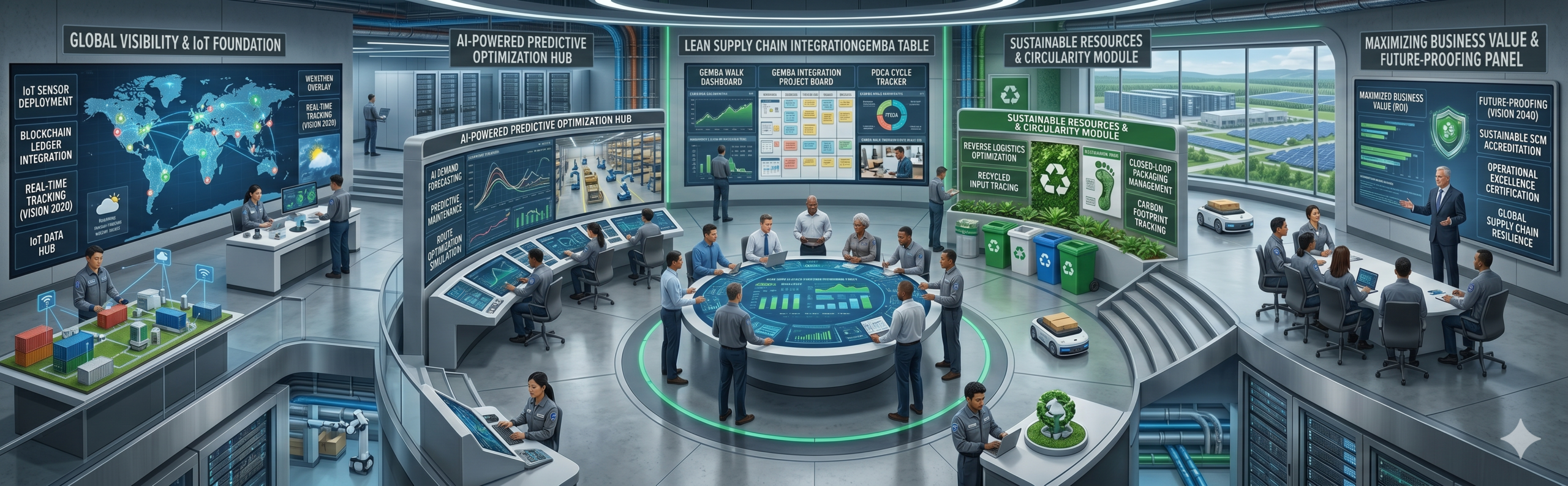
Supply Chain and Logistics Management
In today’s dynamic manufacturing landscape, supply chain performance is a key determinant of operational success. Disruptions, demand fluctuations, and global uncertainties have made it essential for manufacturers to build supply chains that are not only efficient but also agile and resilient. This training module on Supply Chain Optimization for Manufacturing is designed to equip participants with the strategic and analytical tools needed to streamline operations, reduce waste, and enhance responsiveness across the entire value chain—from suppliers to customers.
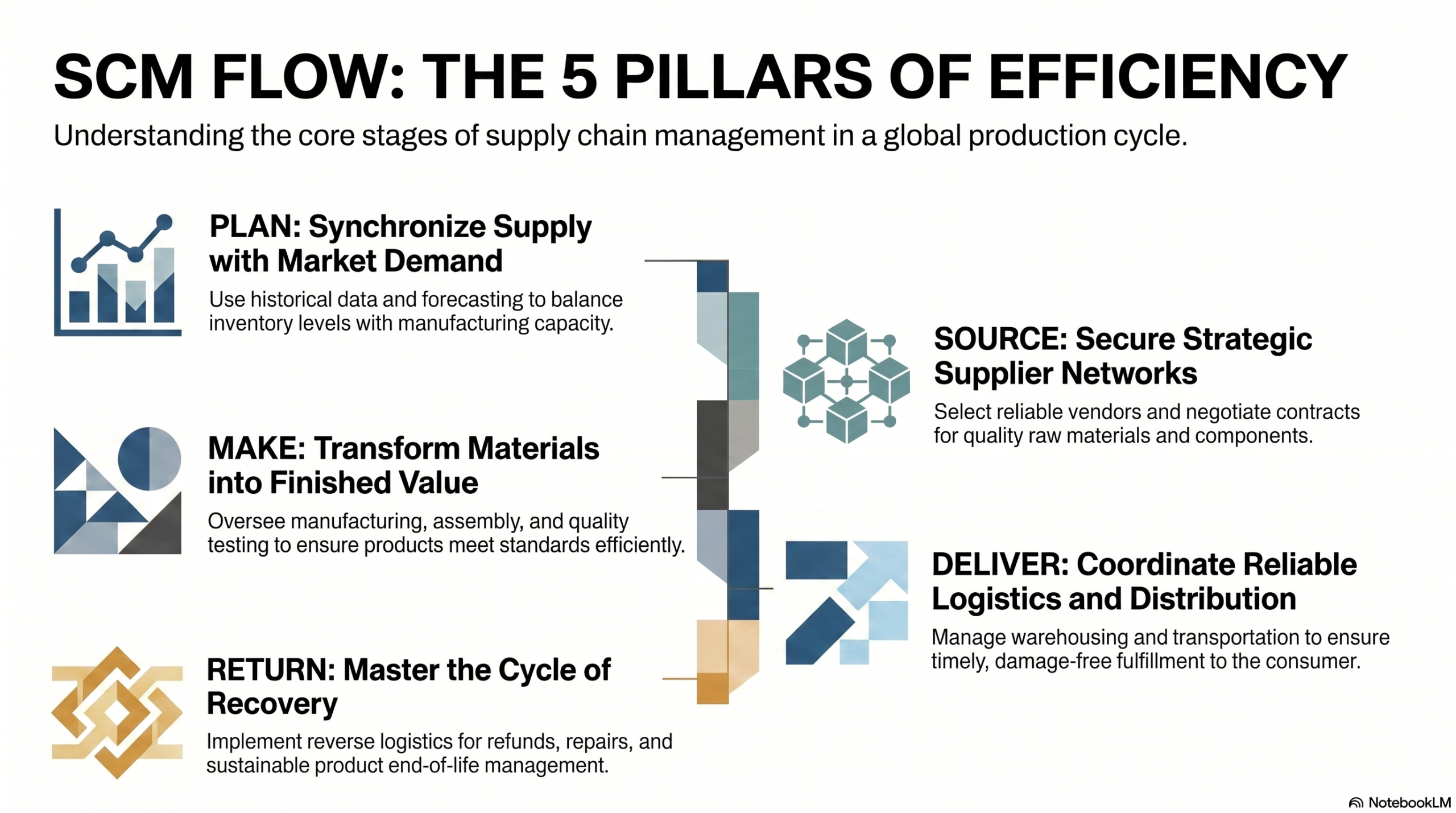
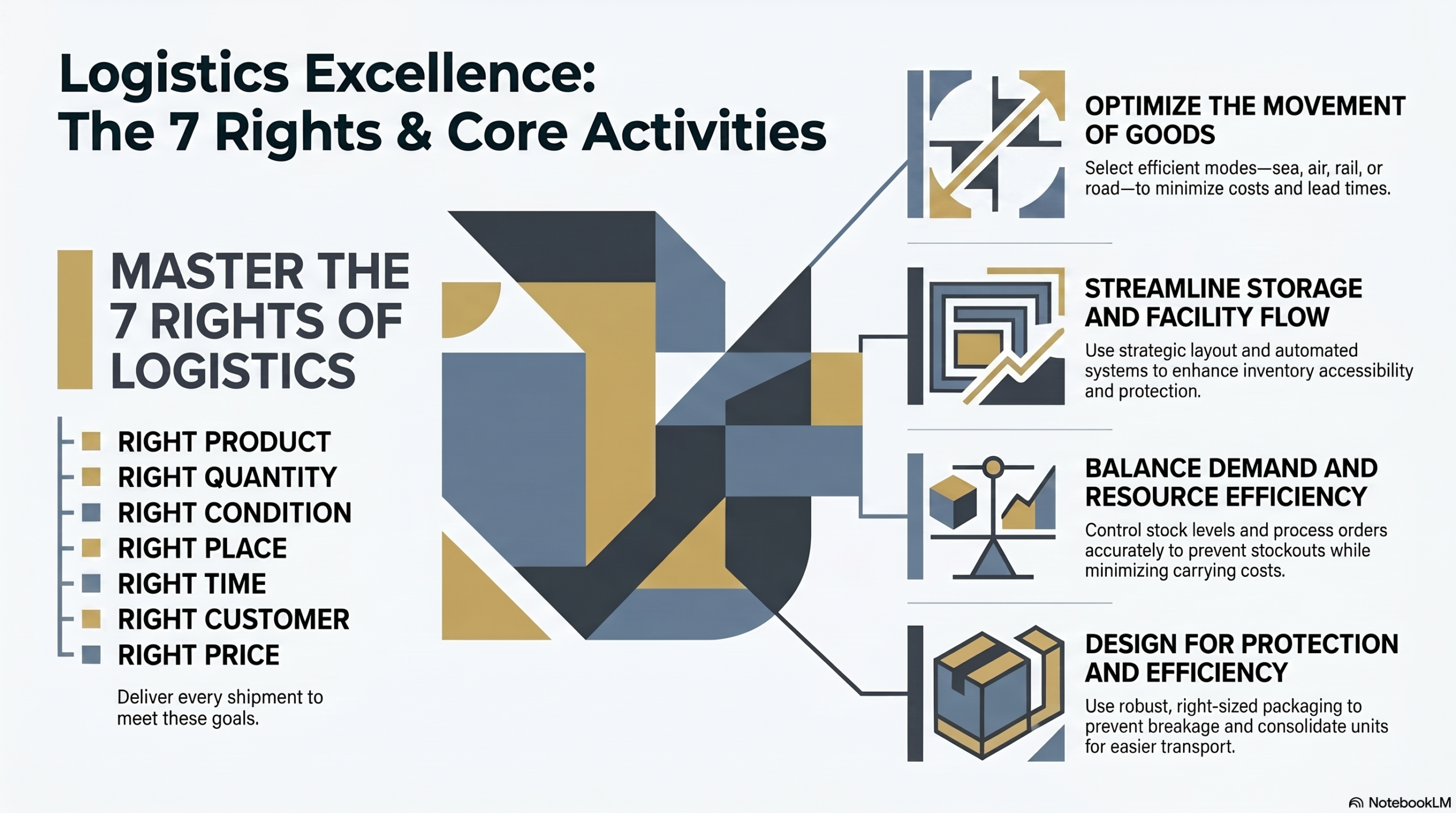
Training Focus
- Deep dive into key supply chain components.
- Supplier relationship management—learn techniques for fostering collaboration, enhancing quality, and negotiating mutually beneficial agreements.
- Inventory management strategies—focus on optimizing raw materials, work-in-progress (WIP), and finished goods to balance cost efficiency with service level requirements.
- Logistics and distribution planning, including transportation modes, warehouse layout, and improving delivery performance.
- Supply chain resilience—methods to identify vulnerabilities, diversify sourcing, and develop contingency plans to protect operations.
- Emphasis on hands-on learning through interactive workshops.
- Guidance in supply chain mapping to help participants visualize material and information flows across operations.
- Risk assessments conducted to identify bottlenecks, single points of failure, and external threats.
- Utilization of structured tools such as FMEA and scenario planning for risk analysis.
- Practical exercises focused on agility-building strategies, including: Demand-driven planning, Supplier segmentation, Digital integration
Participants
- Production Managers and Supervisors: Responsible for overseeing manufacturing operations, implementing process improvements, and driving productivity and quality initiatives.
- Process Engineers: Involved in designing, analyzing, and optimizing manufacturing processes; key players in Lean and Six Sigma project execution.
- Maintenance Managers and Technicians: Essential for implementing Total Productive Maintenance (TPM), Reliability-Centered Maintenance (RCM), and ensuring equipment reliability and operational efficiency.
- Quality Assurance and Quality Control Personnel: Tasked with monitoring product quality, conducting root cause analysis, and applying statistical process control (SPC) techniques.
- Continuous Improvement (CI) Specialists: Champions of ongoing improvement initiatives, cross-functional collaboration, and data-driven decision-making.
- Operators and Line Leaders: Directly involved in day-to-day manufacturing activities, critical for hands-on learning, autonomous maintenance, and real-time process monitoring.
- Supply Chain and Logistics Professionals: Those who collaborate on process improvement projects that impact material flow, inventory management, and overall operational performance.
Supply Chain Management x Industry 4.0
A strategic roadmap for integrating digital technologies into operational frameworks to achieve excellence and maximize business value.
1. The Foundation: SCM Fundamentals
Before digitalization, the structural integrity of the supply chain must be sound. We utilize the **SCOR Model** (Supply Chain Operations Reference) to map the flow of value. Click on any process node below to understand its traditional role and its digital potential.
2. Industry 4.0 Integration
How do we bridge the gap? This section details the "How-To" of integration. Select a core technology pillar to see its practical application across the supply chain ecosystem.
Core Technologies
Select a technology to view integration strategies.
3. Re-skilling Human Resources
Technology is only an enabler; people are the drivers. The digital supply chain requires a shift from transactional tasks to analytical and strategic roles. Explore the required evolution for key personas.
4. Organizational Preparation
Successful integration requires a robust infrastructure foundation. Below is the essential stack for hardware and software readiness.
Hardware Layer
Software Layer
5. Value & Operational Excellence
The ultimate goal is measurable value. We analyze the impact on both **Operational Excellence** (Efficiency, Speed) and the **Business Bottom Line** (Profitability, Customer Value).
Operational Excellence Metrics
Traditional SCM vs. I4.0 Integrated SCM
Business Bottom Line Impact
5-Year ROI Projection